


By enrolling in the Master of Science in Global Supply Chain Management program, students graduate with two degrees : the ESCE Master of Science and the “Diplôme d’Études Avancées en Commerce International” (DEACI). The DEACI is a state-recognized degree, endorsed by the French Ministry of Higher Education and Research, and corresponds to a Bac +5 (Level 7) qualification.
This degree is registered under RNCP No. 41190.
Master of Science in Global Supply Chain Management
In a world where supply chain efficiency is central to business operations, effective management is crucial. Combining in-depth theory with practical expertise, our program focuses on optimizing logistics processes, managing procurement, and integrating new technologies to tackle the complexities of the global market.
This Master’s degree (RNCP level 7, equivalent to Bac+5) is taught entirely in English. It is aimed at graduates with a Bachelor’s degree (or equivalent), a good command of English and the motivation to succeed in an international environment.
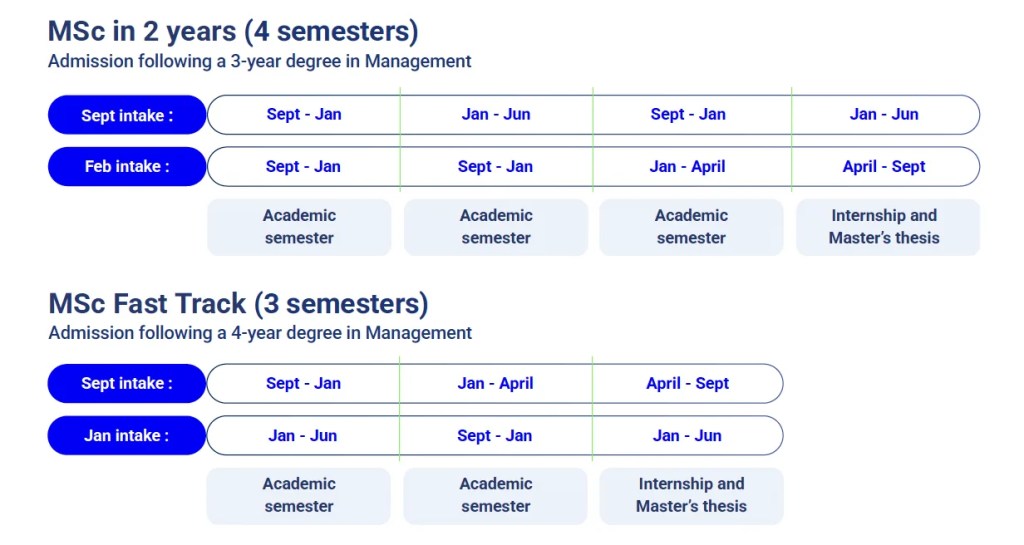
- Next start dates : January or September
- Available in 2-year format or as a 1-year fast-track course (for the start of the new academic year in September only).
Program objectives
An Master of Science in Global Supply Chain Management is particularly relevant in today’s business context for several reasons and our programme addresses each one of them :
- Globalisation : With the increasing globalisation of markets, businesses must manage complex supply chains that span multiple countries and continents. Our programme provides the knowledge and skills needed to navigate these challenges.
- Cost optimisation : Companies are under constant pressure to reduce costs while maintaining quality. Our courses will teach you how to identify cost-saving opportunities, negotiate better prices with suppliers, and manage inventory effectively.
- Technology advancements : Technology is rapidly changing the way businesses manage their supply chains. You will be provided with knowledge of the latest tools and technologies, such as automation, artificial intelligence, and blockchain, that are transforming the field.
- Sustainability : Businesses are increasingly concerned with sustainability and social responsibility. Students learn sustainable procurement practices and how to manage supply chains in a socially responsible manner.
- Competitive advantage : Effective supply chain management can provide a significant competitive advantage for businesses. In our courses you will learn how to optimise supply chains to improve customer satisfaction, increase efficiency, and reduce costs, leading to a competitive advantage in the marketplace.
Targeted skills
At the end of the studies the student will be able to:
- Develop procurement strategies that align with business goals and objectives.
- Negotiate effectively with suppliers to achieve better prices and terms.
- Manage supplier relationships and performance to maximise value for the organisation.
- Analyse supply chain data to identify opportunities for improvement and optimise inventory levels.
- Use technology to streamline supply chain processes and improve efficiency.
- Manage supply chain risks, such as disruptions, quality issues, and regulatory compliance.
- Think critically and sustainably about procurement and supply chain management issues to make informed decisions that drive business success.
- Design international supply chains that are cost effective and aligned with the business strategy of the company.
Content and subjects taught
- Supply Chain Strategy and Carbon Footprint
- Procurement and Purchasing Management
- Supply Chain Auditing, Risk Management and Sustainability
- Inventory Management
- Warehouse Management
- Operations Management
- Quality Management Systems, Lean & Six Sigma
- Smart supply chains and digital technologies
- Forecasting & IT
- International value chains
- International negotiation
Class schedule
Immersive Learning Close to the Business World
Learn to tackle real-world Supply Chain challenges through business cases, case studies, and projects based on actual business situations. Professional simulations such as Reactik and The Fresh Connection also allow students to test their decisions and measure their impact in an environment close to real business conditions.
Visits to professional sites, including logistics platforms and warehouses, complement this approach and give students first-hand insight into the operational challenges of Supply Chain management. The specialization also benefits from a partnership with the Association Francophone de Supply Chain.

Professional Experience at the Heart of the Program
Put your skills into practice through a 6-month internship in France or abroad. ESCE supports you throughout your search through its network of 10,000 partner companies, offering numerous internship and career opportunities.
Through the Corporate Relations Department, you also benefit from personalized guidance, targeted opportunities, workshops and Job Dating events to support your professional integration.
What Are the Career Opportunities After the MSc in Global Supply Chain Management?
The MSc in Global Supply Chain Management prepares graduates for a wide range of careers in international companies and organizations where efficient, resilient, and sustainable supply chains are essential. Graduates can work across manufacturing, retail, logistics, consulting, technology, and international organizations. Career opportunities include:
- Supply Chain Manager
- Logistics Controller
- Warehouse Manager
- Distribution Manager
- Procurement Manager / Buyer
- Sourcing Specialist
- Quality Coordinator
- Continuous Improvement Manager
- Digital Transformation Coordinator
- Logistics Consultant
These roles offer opportunities to work on strategic and operational challenges, from managing global flows and procurement to optimizing performance, driving digital transformation, and building more resilient supply chains.
Immersive Experiences with Industry Professionals
Meetings with industry professionals give students a better understanding of the sector, help them build their network and discover career opportunities. At ESCE, these exchanges take place both in the classroom and through professional experiences and dedicated events.
In the Classroom
- Conferences and testimonials: Professionals share their expertise, career paths and insights into current industry challenges.
- Case studies: Students work on real business challenges and compare their ideas with professional practices.
- Group projects: Projects based on concrete business challenges encourage interaction with companies and the practical application of knowledge.
Beyond the Classroom
- Professional network: Students can attend events organized by our associations and professional partners to expand their network.
- Industry events: Participation in trade shows and professional events to meet industry professionals and discover the latest trends.
- Company visits: Immersion within partner companies to discover careers and processes directly in the field.
- Internship: Professional experience to apply acquired skills and build a first professional network.
A word from the specialization coordinator
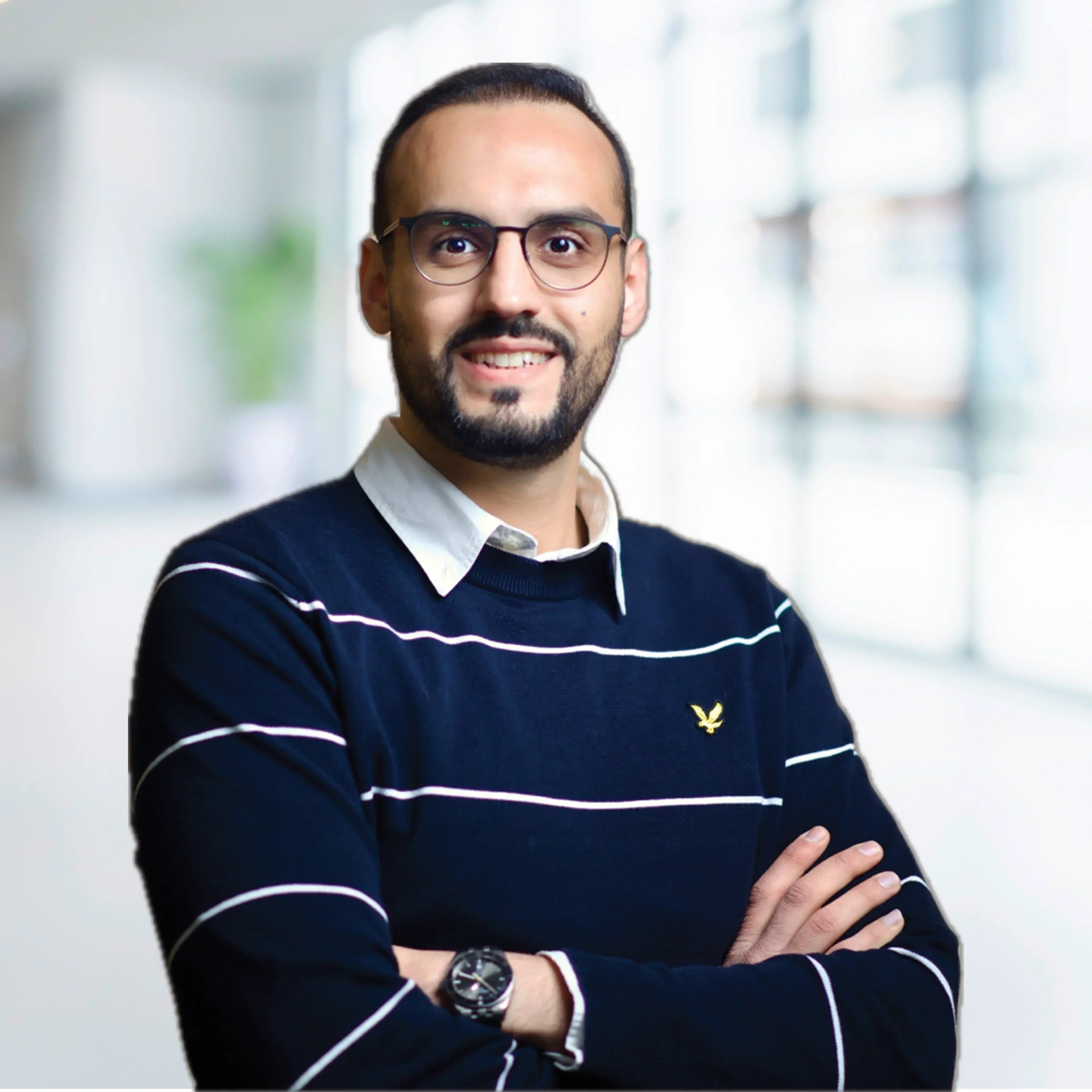
“Global supply chains are driven by sustainability and digital transformation. This MSc trains students to analyze data, make strategic decisions, and manage supply chains responsibly through collaboration, innovation, and strong theoretical foundations. The integration of AI tools and methods further enhances students’ ability to optimize operations, anticipate disruptions, and support data-driven decision-making across the entire supply chain.”
Dr Taha Ebrahimnazari, Associate Professor & Head of MSc Global Supply Chain Management
How to Apply to the Master of Science in Global Supply Chain Management ?
Joining ESCE means choosing a simple, fast and accessible admissions process throughout the year. Applications take place in 3 steps:
- Step 1 — Submit your application: Complete the national or international application form and pay the €50 application fee.
- Step 2 — Attend your interview: Meet with the program’s academic director, either in person or online.
- Step 3 — Receive your decision: Find out your admission result and finalize your enrollment.


Last update on